A new movie on the life of Archbishop Lefebvre is in the making. Here's the English trailer, and also a message from Fr. Arnaud Rostand, SSPX US District Superior. For more details, see http://www.lefebvrethemovie.org/
Monday, February 15, 2010

Wednesday, February 03, 2010
SSPX Asia Italy 2010 Pilgrimage
The SSPX District of Asia announces its
Pilgrimage to the
Holy Shroud and to Italian Shrines
May 16 – 29, 2010
Itinerary
May 16 Departure from Singapore at 23:45 for Milan on SQ 378
May 17 Visit of Milan: Cathedral, Museum, churches, St Augustine, St Ambrose


May 18 Torino: Holy Shroud, Basilica of Our Lady Help of Christian, incorrupt body of Don Bosco


May 19 Padua: St Anthony, tomb of St Luke Evangelist


May 20 Ravena, Rimini


May 21 Loreto, House of our Lady

May 22 Lanciano, San Givanni Rotondo, Monte Gargano


May 23 Mugnano: Mass at St Philomena’s shrine

May 24 - 27 Rome, Cascia, Catacombs


May 28 Departure from Rome airport at 12 noon for Singapore
Cost
600 euros for the pilgrimage proper which includes: bus, 3 star hotels and SSPX priories, breakfast and evening dinner, two per room (in hotels – in Rimini and Albano, it varies), and of course, daily mass. Tour guide: Fr. Couture. The price is for each pilgrim of a group of 40 people. We can take a maximum of 50. In which case, there will be a little refund. If we are less than 40, the price will be slightly higher.
A group airfare is being inquired for those who want to travel on the precise dates and to and from the mentioned cities given above. If you arrive earlier and/or leave later, or from other cities, you will need to get your own ticket.
Dead line to fill in and send the form : Feb. 10.
Fr. D. Couture
Registration form for the Italy 2010 Pilgrimage
of the District of Asia
Please write in block letters
A) Personal Information
Full name as it is in Passport: ___ _____________
Address: ____ _________
_____________________________________________________________________________________________
City _____ ____ Zip code ___________ Country _____ ____________
Passport no. _____ _______________ Exp. Date____ ______________________________
Date of birth ___ ____ Male __ Female _ Nationality ____ ________
Email address ____ _____ _____________________________ Telephone_____________
B) Pilgrimage matters
Mandatory Insurance : I have taken a medical and repatriation insurance: Yes ___ No ___
Deposit : I have enclosed 100 euros as my deposit and I know that this is non refundable : _ ____
Flights details:
· [ ] I want to join the group booking
· [ ] I already know the details of my flights:
o Arrival in Milan
§ [ ] By plane: date_ ____ Airline______
o flight no time
§ [ ] By other means. I will meet you at the hotel
o Departure from Rome (or elsewhere) __________date
o Airline flight no. time
· [ ] I do not yet know the details of my flights but will let you know as soon as possible.
Hotel rooms:
· I would like an individual room, and I am ready to pay the supplement of approx. 100 euros __________
· I want to share a room with (name) ______________________________________________
· If there are rooms with 3 beds, I would like to share them with __________________ and _____________________
Special requests:
Special food or medical or any other matters that Fr. Couture needs to know:__________________________________
________________________________________________________________________________________________
________________________________________________________________________________________________
In case of emergency, contact person (name and telephone): _ ______________________________________________
Before February 10, 2010
Please give this form with the 100 euro deposit to Fr. Couture.
Sexagesima Sunday
Due to last minute arrangement, there will be Mass on Feb 7, 2010 which is Sexagesima Sunday, where we will sing:
- Procession: O God Almighty Father
- Asperges me
- Introit: Exsurge, quare obdormis
- Kyrie XI (Orbis factor)
- Gradual: Sciant gentes
- Tract: Commovisti
- Credo IV
- Offertory: Perfice gressus meos
- Offertory hymn: Ave Maria (J. Arcadelt)
- Sanctus XI
- Agnus Dei XI
- Communion: Introibo ad altare Dei with Psalm 42:4
- Recession: Soul Of My Savior

Monday, January 25, 2010
Quinquagesima Sunday
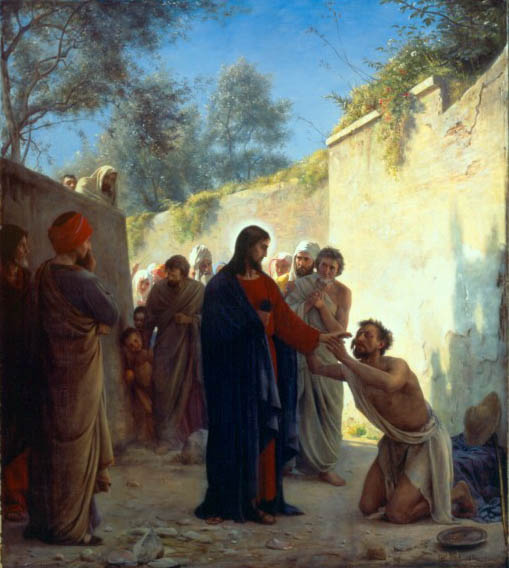 For Feb 14, 2010 which is Quinquagesima Sunday, we are going to sing:
- Procession: Let All Mortal Flesh Keep Silence
- Asperges me
- Introit: Esto mihi
- Kyrie XI (Orbis factor)
- Gradual: Tu es Deus
- Tract: Iubilate Domino omnis terra
- Credo IV
- Offertory: Benedictus es Domine
- Offertory hymn: Laudate Dominum (W. Croft)
- Sanctus XI
- Agnus Dei XI
- Communion: Manducaverunt et saturati with Psalm 77:29, 30
- Recession: Hail True Victim, Life And Light
Monday, January 11, 2010
Third Sunday after the Epiphany
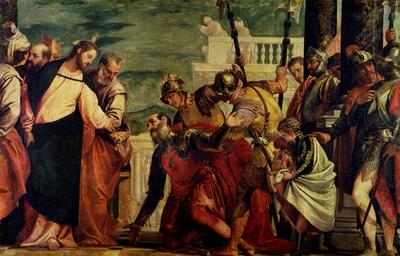 For Jan 24, 2010 which is the 3rd Sunday after the Epiphany, we are going to sing:
- Procession: Kings From The Orient
- Asperges me
- Introit: Adorate Deum
- Kyrie IV (Cunctipotens genitor Deus)
- Gloria IV
- Gradual: Timebunt gentes
- Alleluia: Dominus regnavit, exsultet
- Credo IV
- Offertory: Dextera Domini
- Offertory hymn: Cantate Domino (G. Pitoni)
- Sanctus IV
- Agnus Dei IV
- Communion hymn: Adoro Te, O Panis Caelice
- Communion: Miranbantur
- Recession: Thou Hope of All the Lowly
Tuesday, January 05, 2010
The Holy Family
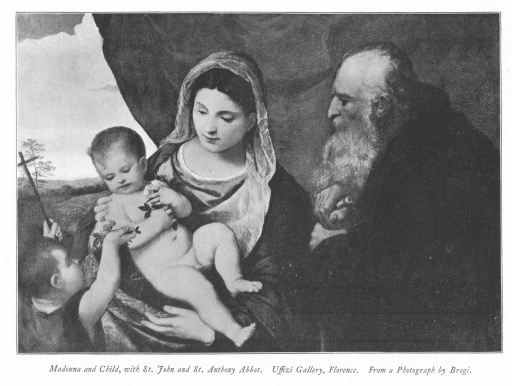 For Jan 10, 2010 which is the Feast of the Holy Family (Sunday within the Octave of Epiphany), we are going to sing:
- Procession: Kings From The Orient
- Asperges me
- Introit: Exsultet gaudio
- Kyrie IV (Cunctipotens genitor Deus)
- Gloria IV
- Gradual: Unam petii
- Alleluia: Vere tu es Rex
- Credo III
- Offertory: Tulerunt Iesum parentes
- Offertory hymn: O Sanctissima
- Sanctus IV
- Agnus Dei IV
- Communion hymn: Iesu, Dulcis Memoria
- Communion: Descendit Iesus cum eis
- Recession: O Little Town Of Bethlehem (tune: Forest Green)
Sunday, December 27, 2009
7th Day within the Octave of the Nativity
For Dec 31, 2009 which is the Seventh Day within the Octave of the Nativity of Our Lord & Saviour Jesus Christ, we are going to sing the following due to Father's request for a Sung Mass instead of a Low Mass. Mass will be followed by Benediction and Te Deum:
- Procession: Adeste, Fideles
- Introit: Puer, natus est
- Kyrie VIII (De angelis)
- Gloria VIII
- Gradual: Viderunt omnes
- Alleluia: Dies sanctificatus
- Credo III
- Offertory: Tui sunt caeli
- Offertory hymn: Ave Maris Stella
- Sanctus VIII
- Agnus Dei VIII
- Communion hymn: Jesu Redemptor Omnium (O. Ravanello)
- Communion: Viderunt omnes
- Recession: Holy God, We Praise Thy Name
Wednesday, December 23, 2009
Octave Day of the Nativity of the Lord
For Jan 1, 2010 which is the Octave Day of the Nativity of Our Lord & Saviour Jesus Christ, we are going to sing the following. The Veni Creator Spiritus will also be chanted to gain the indulgence:
- Procession: Adeste, Fideles
- Introit: Puer, natus est
- Kyrie VIII (De angelis)
- Gloria VIII
- Gradual: Viderunt omnes
- Alleluia: Multifarie olim
- Credo III
- Offertory: Tui sunt caeli
- Offertory hymn: Alma Redemptoris Mater (G.P. da Palestrina)
- Sanctus VIII
- Agnus Dei VIII
- Communion hymn: Resonet In Laudibus
- Communion: Viderunt omnes
- Recession: The First Noel
6th Day within the Octave of the Nativity & a wedding anniversary Mass
For Dec 30, 2009 which is the Sixth Day within the Octave of the Nativity of Our Lord & Saviour Jesus Christ, we are going to sing the following for a private wedding anniversary Mass:
- Procession: Adeste, Fideles
- Introit: Puer, natus est
- Kyrie VIII (De angelis)
- Gloria VIII
- Gradual: Viderunt omnes
- Alleluia: Dies sanctificatus
- Credo III
- Offertory: Tui sunt caeli
- Offertory hymn: Ave Maris Stella
- Sanctus VIII
- Agnus Dei VIII
- Communion hymn: Resonet In Laudibus
- Communion: Viderunt omnes
- Recession: Lord, Who At Cana's Wedding Feast (tune: Kingsfold)
Tuesday, December 22, 2009
Sunday within the Octave of the Nativity
 For Dec 27, 2009 which is the Sunday within the Octave of the Nativity of Our Lord & Saviour Jesus Christ, we are going to sing the following:
- Procession: O Come, All Ye Faithful
- Asperges me
- Introit: Dum medium silentium
- Kyrie VIII (De angelis)
- Gloria VIII
- Gradual: Speciosus forma
- Alleluia: Dominus regnavit
- Credo III
- Offertory: Deus enim firmavit
- Offertory hymn: Alma Redemptoris Mater (G.P. da Palestrina)
- Sanctus VIII
- Agnus Dei VIII
- Communion hymn: Resonet In Laudibus
- Communion: Tolle puerum
- Recession: Angels We Have Heard On High
Sunday, December 20, 2009
Victoria's O Magnum Mysterium
We'll be doing this for Christmas Midnight Mass. Hope it works out well!
This is by Gabrieli Consort and Players, an all male ensemble.
Here's another version by the Westminster Cathedral Choir.
This is by Gabrieli Consort and Players, an all male ensemble.
Here's another version by the Westminster Cathedral Choir.
Tuesday, December 15, 2009
Nativity of Our Lord Jesus Christ (Dawn Mass)
 For Dec 25, 2009 which is the Nativity of Our Lord Jesus Christ, we are going to sing the following for the Dawn Mass:
- Procession: O Come All Ye Faithful
- Introit: Lux fulgebit
- Kyrie VIII (De Angelis)
- Gloria VIII
- Gradual: Benedictus
- Alleluia: Dominus regnavit
- Credo III
- Offertory: Deus firmavit
- Offertory hymn: Ecce Mundi Gaudium
- Sanctus VIII
- Agnus Dei VIII
- Communion hymn:
 Jesu, Redemptor Omnium
 - Communion: Exsulta, filia Sion
- Recession: Hark! The Herald Angels Sing
Nativity of Our Lord Jesus Christ (Midnight Mass)
 For Dec 25, 2009 which is the Nativity of Our Lord Jesus Christ, we are going to sing the following for the Midnight Mass:
- Procession: O Come, All Ye Faithful
- Introit: Dominus dixit ad me
- Kyrie VIII (De angelis)
- Gloria VIII
- Gradual: Tecum principium
- Alleluia: Dominus dixit ad me
- Credo III
- Offertory: Laetentur caeli
- Offertory hymn: O Magnum Mysterium (T.L. de Victoria)
- Sanctus VIII
- Agnus Dei VIII
- Communion hymn: Ecce Mundi Gaudium
- Communion: In splendoribus
- Recession: Hark! The Herald Angels Sing
Sunday, December 06, 2009
Third Sunday of Advent
 For Dec 13, 2009 which is the 3rd Sunday of Advent, we are going to sing:
- Procession: O Come, Divine Messiah
- Asperges me
- Introit: Gaudete in Domino
- Kyrie XVII b
- Gradual: Qui sedes, Domine
- Alleluia: Excita, Domine
- Credo IV
- Offertory: Benedixisti, Domine
- Offertory hymn: Creator Alme Siderum
- Sanctus XVII
- Agnus Dei XVII
- Communion hymn: Verbum Supernum
- Communion: Dicite: Pusillanimes
- Recession: Alma Redemptoris Mater (simple tone)
Sunday, November 22, 2009
Hassler's Cantate Domino
This is what we wanted to achieve. Unfortunately, we are still far, far away from this. So, practice, practice, practice!
Thursday, November 12, 2009
Last Sunday after Pentecost
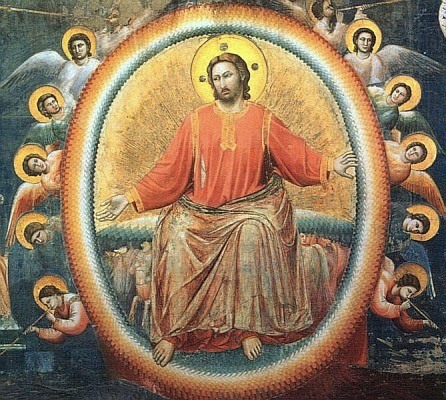 For Nov 22, 2009 which is the Last Sunday after Pentecost, we are going to sing:
- Procession: Come, Holy Ghost, Creator Blest
- Asperges me
- Introit: Dicit Dominus: Ego
- Kyrie XI (Orbis Factor)
- Gloria XI
- Gradual: Liberasti nos
- Alleluia: De profundis
- Credo III
- Offertory: De profundis
- Offertory hymn: Cantate Domino (H.L. Hassler)
- Sanctus XI
- Agnus Dei XI
- Communion hymn: Adoro Te Devote
- Communion: Amen dico vobis: quidquid
- Recession: O Maria, Virgo Pia
Thursday, October 29, 2009
All Saints
 For November 1, 2009 which is the feast of All Saints, we are going to sing:
- Procession: Faith Of Our Fathers I
- Asperges me
- Introit: Gaudeamus... Sanctorum omnium
- Kyrie IV (Cuntipotens Genitor Deus)
- Gloria IV
- Gradual: Timete Dominum
- Alleluia: Venite ad me
- Credo III
- Offertory: Iustorum animae
- Offertory Hymn: O Sanctissima
- Sanctus IV
- Agnus Dei IV
- Communion Hymn: Panis Angelicus
- Communion: Beati mundo corde
- Recession: O God Of Loveliness
Monday, October 26, 2009
Twenty-third Sunday after Pentecost
 For Nov 8, 2009 which is the 23rd Sunday after Pentecost, we are going to sing:
- Procession: Glory Be To Jesus
- Asperges me
- Introit: Dicit Dominus
- Kyrie XI (Orbis Factor)
- Gloria XI
- Gradual: Liberasti nos
- Alleluia: De profundis
- Credo I
- Offertory: De profundis
- Offertory hymn: Cantate Domino (G. Pitoni)
- Sanctus XI
- Agnus Dei XI
- Communion hymn: Ave Verum Corpus
- Communion: Amen dico vobis
- Recession: Holy God, We Praise Thy Name
Monday, October 12, 2009
A Loss of High Art
FOR SIXTY-ONE YEARS, radio station KFUO has been broadcasting classical music in Saint Louis. This past week, its owner — the Lutheran Church Missouri Synod — sold the station to Gateway Creative Broadcasting, who will change its format to contemporary Christian praise and worship music, starting next year.
Those who are devoted to the high-art Western music tradition are dismayed that the city's sole remaining broadcast classical music station is going off the air. Classical music groups and venues are also worried, since KFUO was their major advertising forum, leading to the majority of their ticket sales. I listen to KFUO when I am in my car; its local and free content makes it potentially more interesting for Saint Louisians than many of its media alternatives, such as satellite radio or Internet sources, which will often broadcast only music with no commentary.
Classical music was one of the topics of my second posting on this blog, High art or low? from December 2004. With the sale of this radio station, its music will shift from high to low art.
The most important things ought to be done with the highest and best art, and as the Holy Sacrifice of the Mass is the pinnacle of Man's life here on earth, the art associated with the Mass ought to be the best and highest. And so the Mass, through its musical settings, forms the core of the Western classical music tradition as its source, and is where the best of that tradition ought to return.
Of all the theories of art proposed, the virtue theory of art, coming from the Greek philosophical tradition through the Church, has the greatest explanatory power, and is universal: modern art theories are at best subsets. This provides a framework for judging artists and their work. According to this theory, the artist has in-born ability towards this virtue, intellectually understands this virtue via education, and builds upon and expresses this virtue through practice and from feedback from other artists who have perfected this virtue. The virtuous artist must master his tools and reliably make what he intends (or for the apprentice artist, what he is directed) beforehand. The artist also has to be open to divine inspiration. The virtuous artist makes his art a part of himself, he enjoys making his art, and the making of his art appears graceful and effortless. As this theory is not tied to culture, nor does it limit itself to merely non-utilitarian aesthetic works of art, it is applicable to all the various works of humans in all manner of places and times. Thusly we can judge the making of art objectively outside of the realm of personal preference. Classical music is very greatly a matter of artistic virtue as outlined here.
Good art is simultaneously true, artfully executed, and provides a lively response from its audience; the deficit of any of these three characteristics can indeed be judged negatively, and this judgement can and ought to be done using the full range of objective, subjective, and relative factors. That this framework has Trinitarian overtones is no accident, as we are made in the image and likeness of God, and is related to the three transcendental values of truth, goodness, and beauty.
Art can be judged as being closer to the high or low ends of the artistic spectrum depending on the transcendental factors and the virtue of art described above. While it is fitting that high art ought to be used for important occasions: the Mass, formal celebrations of a community, inaugurations or coronations of leaders, and such forth, most art will necessary be of the lower varieties. For example, a play put on by young children may have little appeal outside of their friends and family, but it will nonetheless have great value within that narrow circle: but still, it is not unreasonable to suggest that this play ought to be done as well as possible within the circumstances available.
“If a thing is worth doing, it is worth doing badly,” wrote G.K. Chesterton. So true: a badly prepared meal is better than no meal at all if you are very hungry and have no alternatives. But the intent of making a poorly made meal shows a contempt for the eaters. This can lead to a reductionistic morality that excludes the feelings of others. Sadly, the decline of listenership to classical music seems to be due partially to apparent contempt for its listeners, with the introduction of unlistenable atonal works, as well as an elitist attitude that would often exclude the living, contemporary, and very popular works that are nowadays found in the best music for film and stage.
KFUO is criticized within its owner's ecclesial body as not being much of an instrument of evangelization, although it operates at a profit, which in turn is used for preaching the Gospel. But certainly the new owners of the radio station intend to make it explicitly evangelical, in preaching the Gospel through song in a way that is open to casual listeners.
Much of classical music is the Latin liturgy of the Church, some of which is broadcast on this radio station. But certainly the Latin texts of the Mass are lost on those who do not follow along in the Missal, particularly when divorced from its natural setting within the liturgy. The change of liturgical texts from Latin to the vernacular languages was done specifically for an evangelical purpose. However, even if a listener of sacred music fails to grasp the intellectual aspect of the music, he still may appreciate the technical ability of the musicians and feel his soul being pulled upwards, giving even untranslated music of the Latin liturgy power. On the contrary, much sacred music in the vernacular, although intellectually understandable, often is not artfully done, nor does it often inspire a lively uplifting response in the listener. Also, the vernacular texts are often poorly translated and hymns sometimes have questionable content. Certainly the use of classical music and the traditional Latin liturgy is somewhat of a challenge to worshippers: but active participation requires a certain preparation and intellectual understanding on the part of the congregation, in other words, the people have to do their part.
The apparent opposition between non-evangelizing high art of classical music and the explicitly evangelical content of low-art praise and worship music, as shown with KFUO, is false. High art, including the sacred core of the canon of classical music ought to be placed back into its natural environment of the liturgy of the Church, and ought to become a source of inspiration of new works within this living tradition. Popular devotion has been greatly reduced within the Church, but a recovery of this practice will mean that there is a greater opportunity for lower art to thrive. As Protestant worship tends to be entirely popular devotion, we shouldn't be surprised that they have an abundance of popular arts.
One strange thing I noticed about KFUO was how much of its advertising was explicitly Catholic, from ads run by various religious orders to Mass announcements from my parish, Saint Francis de Sales Oratory. In times such as these, you have to know who your friends are. I cannot imagine that the new owners of the station would care to run such advertisements, nor would the station's listeners care to hear them.
Source: Rome of the West
Those who are devoted to the high-art Western music tradition are dismayed that the city's sole remaining broadcast classical music station is going off the air. Classical music groups and venues are also worried, since KFUO was their major advertising forum, leading to the majority of their ticket sales. I listen to KFUO when I am in my car; its local and free content makes it potentially more interesting for Saint Louisians than many of its media alternatives, such as satellite radio or Internet sources, which will often broadcast only music with no commentary.
Classical music was one of the topics of my second posting on this blog, High art or low? from December 2004. With the sale of this radio station, its music will shift from high to low art.
The most important things ought to be done with the highest and best art, and as the Holy Sacrifice of the Mass is the pinnacle of Man's life here on earth, the art associated with the Mass ought to be the best and highest. And so the Mass, through its musical settings, forms the core of the Western classical music tradition as its source, and is where the best of that tradition ought to return.
Of all the theories of art proposed, the virtue theory of art, coming from the Greek philosophical tradition through the Church, has the greatest explanatory power, and is universal: modern art theories are at best subsets. This provides a framework for judging artists and their work. According to this theory, the artist has in-born ability towards this virtue, intellectually understands this virtue via education, and builds upon and expresses this virtue through practice and from feedback from other artists who have perfected this virtue. The virtuous artist must master his tools and reliably make what he intends (or for the apprentice artist, what he is directed) beforehand. The artist also has to be open to divine inspiration. The virtuous artist makes his art a part of himself, he enjoys making his art, and the making of his art appears graceful and effortless. As this theory is not tied to culture, nor does it limit itself to merely non-utilitarian aesthetic works of art, it is applicable to all the various works of humans in all manner of places and times. Thusly we can judge the making of art objectively outside of the realm of personal preference. Classical music is very greatly a matter of artistic virtue as outlined here.
Good art is simultaneously true, artfully executed, and provides a lively response from its audience; the deficit of any of these three characteristics can indeed be judged negatively, and this judgement can and ought to be done using the full range of objective, subjective, and relative factors. That this framework has Trinitarian overtones is no accident, as we are made in the image and likeness of God, and is related to the three transcendental values of truth, goodness, and beauty.
Art can be judged as being closer to the high or low ends of the artistic spectrum depending on the transcendental factors and the virtue of art described above. While it is fitting that high art ought to be used for important occasions: the Mass, formal celebrations of a community, inaugurations or coronations of leaders, and such forth, most art will necessary be of the lower varieties. For example, a play put on by young children may have little appeal outside of their friends and family, but it will nonetheless have great value within that narrow circle: but still, it is not unreasonable to suggest that this play ought to be done as well as possible within the circumstances available.
“If a thing is worth doing, it is worth doing badly,” wrote G.K. Chesterton. So true: a badly prepared meal is better than no meal at all if you are very hungry and have no alternatives. But the intent of making a poorly made meal shows a contempt for the eaters. This can lead to a reductionistic morality that excludes the feelings of others. Sadly, the decline of listenership to classical music seems to be due partially to apparent contempt for its listeners, with the introduction of unlistenable atonal works, as well as an elitist attitude that would often exclude the living, contemporary, and very popular works that are nowadays found in the best music for film and stage.
KFUO is criticized within its owner's ecclesial body as not being much of an instrument of evangelization, although it operates at a profit, which in turn is used for preaching the Gospel. But certainly the new owners of the radio station intend to make it explicitly evangelical, in preaching the Gospel through song in a way that is open to casual listeners.
Much of classical music is the Latin liturgy of the Church, some of which is broadcast on this radio station. But certainly the Latin texts of the Mass are lost on those who do not follow along in the Missal, particularly when divorced from its natural setting within the liturgy. The change of liturgical texts from Latin to the vernacular languages was done specifically for an evangelical purpose. However, even if a listener of sacred music fails to grasp the intellectual aspect of the music, he still may appreciate the technical ability of the musicians and feel his soul being pulled upwards, giving even untranslated music of the Latin liturgy power. On the contrary, much sacred music in the vernacular, although intellectually understandable, often is not artfully done, nor does it often inspire a lively uplifting response in the listener. Also, the vernacular texts are often poorly translated and hymns sometimes have questionable content. Certainly the use of classical music and the traditional Latin liturgy is somewhat of a challenge to worshippers: but active participation requires a certain preparation and intellectual understanding on the part of the congregation, in other words, the people have to do their part.
The apparent opposition between non-evangelizing high art of classical music and the explicitly evangelical content of low-art praise and worship music, as shown with KFUO, is false. High art, including the sacred core of the canon of classical music ought to be placed back into its natural environment of the liturgy of the Church, and ought to become a source of inspiration of new works within this living tradition. Popular devotion has been greatly reduced within the Church, but a recovery of this practice will mean that there is a greater opportunity for lower art to thrive. As Protestant worship tends to be entirely popular devotion, we shouldn't be surprised that they have an abundance of popular arts.
One strange thing I noticed about KFUO was how much of its advertising was explicitly Catholic, from ads run by various religious orders to Mass announcements from my parish, Saint Francis de Sales Oratory. In times such as these, you have to know who your friends are. I cannot imagine that the new owners of the station would care to run such advertisements, nor would the station's listeners care to hear them.
Source: Rome of the West
Christ the King
 For October 25, 2009 which is the feast of the Christ the King (last Sunday in October), we are going to sing:
- Procession: To Jesus Christ, Our Sov'reign King
- Asperges me
- Introit: Dignus est Agnus
- Kyrie VIII (De Angelis)
- Gloria VIII
- Gradual: Dominabitur
- Alleluia: Potestas eius
- Credo IV
- Offertory: Postula a me
- Offertory hymn: Sicut Cervus (G.P. da Palestrina)
- Sanctus VIII
- Agnus Dei VIII
- Communion hymn: Jesu Rex Admirabilis (G.P. da Palestrina)
- Communion: Sedebit Dominus
- Recession: Hail Redeemer, King Divine (C. Rigby) followed by chorus of Christus Vincit
Subscribe to:
Posts (Atom)